Rubbish removal Canary Wharf offices Docklands
Posted on 19/06/2026
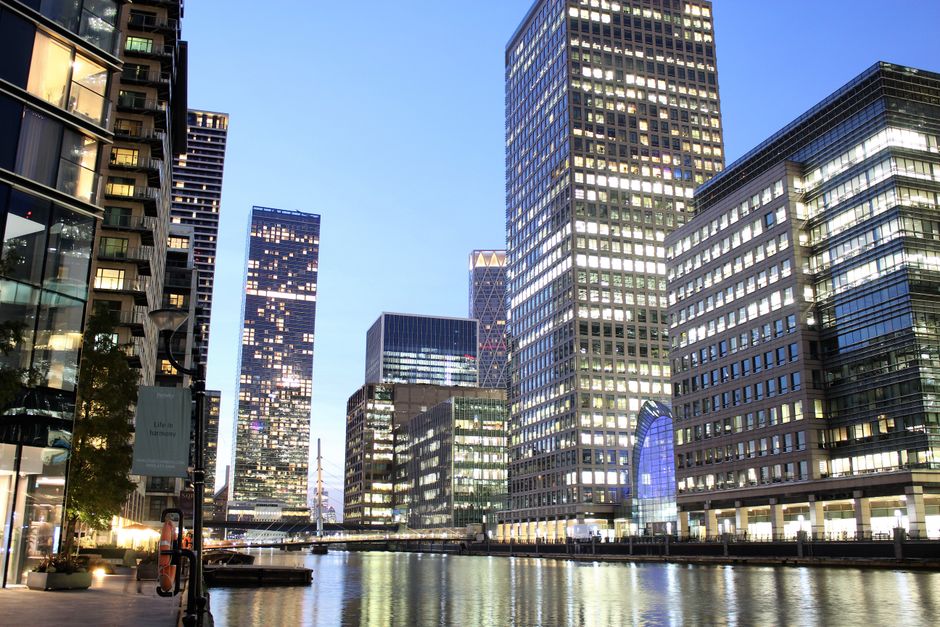
Rubbish removal Canary Wharf offices Docklands: a practical guide for busy workplaces
If you manage an office in Canary Wharf or anywhere across Docklands, rubbish can build up faster than most people expect. Old desks, broken monitors, packaging from deliveries, archive boxes, kitchen waste, and the odd half-finished fit-out quickly turn into clutter, lost space, and unnecessary stress. Rubbish removal Canary Wharf offices Docklands is not just about getting items out of the way; it is about keeping a workplace safe, presentable, and ready to function properly.
In a district where space is valuable and schedules are tight, even a small delay in waste clearance can throw off the day. You might be planning a full office move, clearing out after a refurbishment, or simply trying to stop the bin store from becoming a nuisance. This guide breaks down how office rubbish removal works, what to expect, how to avoid common mistakes, and how to make the process easier from start to finish. A bit of planning goes a long way here. Honestly, it usually does.
Why rubbish removal in Canary Wharf offices matters
Office waste is easy to ignore until it starts affecting the way a workplace feels and works. In Canary Wharf, that matters even more because offices are often compact, highly visible, and shared by multiple teams or tenants. A cluttered storage room, a corridor lined with boxed-up furniture, or a recycling area overflowing by Thursday afternoon can make the whole place feel disorganised.
There is also the practical side. Loose rubbish can block access routes, create trip hazards, and make cleaning harder. Cardboard and packaging take up surprising amounts of room. Old chairs and filing cabinets do not disappear on their own. And if you are dealing with a move or refurbishment, leftover waste can slow down contractors and staff alike.
For office managers, facilities teams, landlords, and fit-out contractors, rubbish removal is part of day-to-day operational control. It is not glamorous, but it is one of those things that quietly protects productivity. People tend to notice when it is missing.
It also helps protect your professional image. Visitors, clients, and new hires will judge a workplace quickly. A tidy office says the business is organised. A messy one says the opposite, even if the teams inside are doing excellent work.
If your business needs broader support beyond a one-off office clear-out, it can be useful to look at the wider services overview and see how office waste removal fits alongside other clearance options.
How rubbish removal Canary Wharf offices Docklands works
The process is usually straightforward, but the details matter. Most office rubbish removal jobs follow a pattern: assess what needs taking away, agree what can be collected, schedule a convenient time, and remove the items safely with minimal disruption.
For a busy Docklands office, timing often matters as much as the removal itself. Collections may be arranged before staff arrive, after peak trading hours, or during a quieter window in the week. Some teams prefer a phased approach, especially when sorting a large backlog of unwanted items.
Typically, the job may include:
- general office rubbish and mixed waste
- cardboard, packaging and archive materials
- desks, chairs, pedestals and storage units
- IT-related waste such as monitors and peripherals, where accepted
- small appliances and kitchen items
- post-refurbishment debris and light builders waste
Some collections focus on standard office rubbish removal, while others are closer to full office clearance. That distinction matters. If your workplace is being emptied floor by floor, you may need a more comprehensive clearance plan rather than a simple bin-emptying solution.
For businesses that generate commercial waste regularly, it can help to align ad hoc clearances with a broader waste plan. A dedicated commercial waste removal service in Docklands can be useful when office waste is part of a wider operational stream rather than a one-off event.
And if the job is specifically about emptying rooms, meeting areas, or storage spaces, office clearance in Docklands is often the better fit. It is a different job from just hauling a few bags out. Similar, but not the same.
Key benefits and practical advantages
The best rubbish removal service does more than remove items. It creates breathing space. You feel that immediately when the clutter is gone, almost like the room can function again.
Here are the main benefits office teams usually care about:
- More usable space - clearing corridors, storage rooms and unused corners can make a cramped office feel calmer and easier to work in.
- Better safety - fewer obstructions reduce the risk of trips, blocked exits and accidental damage.
- Improved presentation - cleaner common areas help maintain a professional image for clients and staff.
- Less internal workload - your team does not have to spend hours dragging furniture or sorting waste bins.
- Faster project turnover - if you are moving, refurbishing or downsizing, prompt removal keeps the programme moving.
- More controlled disposal - items can be sorted for reuse, recycling or disposal rather than being dumped in a rush.
There is also a morale benefit, which people underestimate. A clean, organised office tends to feel more settled. Staff do not need to step around broken chairs or stack old boxes by the printer. Small thing? Maybe. But small things add up over a working week.
When office waste is handled properly, it also becomes easier to separate items that can be reused or diverted from landfill. If sustainability is part of your company's approach, have a look at the provider's approach to recycling and sustainability. That is often where the real value shows up behind the scenes.
Who this is for and when it makes sense
This service is a fit for a wide range of workplaces. To be fair, most offices in Canary Wharf and Docklands can benefit from occasional rubbish removal whether they want to admit it or not.
It usually makes sense for:
- Office managers dealing with clutter, overflow storage or end-of-month waste issues
- Facilities teams looking after multiple floors, shared rooms or serviced offices
- Landlords and managing agents preparing a unit for new occupants
- Fit-out and refurbishment contractors who need light waste cleared during or after works
- Start-ups and growing teams that have outgrown old furniture or equipment
- Businesses relocating to another floor, building or site
It also makes sense when your office is not quite at crisis point, but the signs are there. A back room filled with redundant chairs. A meeting room that has quietly become a storage unit. Kitchen waste piling up because collections are poorly timed. Those are the moments when it pays to act early rather than wait for a bigger mess.
For businesses that are replacing old desks, chairs or breakout furniture, it can help to combine rubbish removal with furniture removal in Docklands so the whole job is dealt with in one go. If you are replacing appliances as well, the separate white goods and appliance disposal page is useful too.
Step-by-step guidance
If you have never arranged an office rubbish removal in Docklands before, here is the simplest way to think about it.
- Identify what needs removing. Make a rough list. Old chairs, packaging, broken equipment, archive boxes, leftover fit-out waste, and so on.
- Separate what should stay. This sounds obvious, but it is the step most people rush. Label items that must remain in the office so nothing useful disappears by mistake.
- Check access. Think about lifts, loading zones, security desks, restricted hours and any building rules. Canary Wharf buildings can be wonderfully efficient, but they are rarely casual about access.
- Choose the right service level. A small mixed-rubbish collection is not the same as a full floor clearance. Be clear about what you actually need.
- Ask about handling and disposal. Good operators should explain how waste is sorted, what happens to reusable items and how disposal is managed.
- Schedule at the right time. Early mornings, evenings, or quieter weekdays are often easiest for offices.
- Prepare the space. Move small personal items, unplug equipment if needed, and make sure the collection team can work safely.
- Confirm the end point. After removal, do a quick walk-through. Check the storage room, under desks, around shared kitchens, and the route used for moving items out.
A small but useful tip: take photos before you start. Not for drama, just for clarity. It helps office teams stay aligned, and it gives everyone a simple before-and-after reference. One minute of effort. Saves a lot of "where did that go?" later.
Expert tips for better results
Most of the headaches around office rubbish removal come from poor prep, not the removal itself. A few small habits make a big difference.
- Group items by type before collection day. Furniture, paper waste, mixed rubbish and equipment are easier to handle when they are not all mixed together.
- Label anything that must stay. A piece of masking tape and a marker pen can prevent a lot of confusion.
- Book around building restrictions. Some Docklands properties have very specific lift or loading bay windows.
- Ask about recycling routes. It is sensible to know whether items are being reused, recycled or disposed of as mixed waste.
- Keep the security team informed. In larger offices, this is often the difference between a smooth arrival and ten awkward minutes at reception.
- Plan for one extra pile. There is almost always a forgotten box, drawer, or cable tray turning up at the last minute.
One thing I always tell people: do not leave the decision-making until the removal crew is standing in front of the pile. That is how delays happen. Decide what is going, what is staying, and what needs special handling beforehand. The day feels much calmer.
If you want a broader view of how collections are handled locally, the general rubbish collection service in Docklands can be a useful reference point for understanding collection styles and expectations.
Common mistakes to avoid
Most office rubbish removal problems are avoidable. Really, they are.
- Assuming everything counts as standard rubbish. Office furniture, appliances and builders waste may need different handling.
- Forgetting about access constraints. If the lift is booked, the loading bay is busy, or the concierge needs notice, the job can slow down.
- Leaving sorting until collection day. That is when mistakes happen, especially in busy offices with multiple staff involved.
- Choosing solely on speed. Fast is good, but not if it means poor communication or unclear disposal.
- Not checking compliance. Offices should be confident that waste is handled by a legitimate carrier and processed properly.
- Underestimating the volume. Three old desks, a few cabinets and some broken chairs can fill a van quickly. Sneaky, that one.
Another common error is treating a clear-out like a normal bin collection. It is not. A proper office clearance needs a plan, especially when the building has shared areas, security procedures, or strict time windows. If you are already looking at broader waste handling, the main waste disposal options in Docklands can help you frame the job correctly.
Tools, resources and recommendations
You do not need a warehouse of equipment to organise office rubbish removal well. A few simple tools and documents are enough.
- Room-by-room list - useful for larger offices or multi-floor clearances
- Colour-coded labels - helpful when some items are staying and others are leaving
- Camera or phone photos - useful for record-keeping and team sign-off
- Building access notes - loading instructions, lift restrictions, security contact details
- Internal waste log - useful for facilities teams that track disposal patterns
From a service perspective, it helps to know what the provider can cover beyond ordinary junk removal. Some businesses only need quick collection; others need support with a more complex clearance or mixed waste. If the job is larger or involves a deep reset of workspace areas, waste clearance in Docklands may be more appropriate than a basic collection.
For office furniture that is still usable, ask whether it can be removed as part of a separate furniture job instead of going straight into mixed waste. That can simplify sorting and often makes the whole process feel a bit more respectful, which sounds soft but actually matters in real workplaces.
Law, compliance and best practice
Office waste removal sits within a wider UK framework that businesses need to take seriously. You do not need to be a legal expert to make good decisions, but you do need to use properly licensed and insured providers, and you should understand your responsibilities as a business that produces waste.
In practical terms, good practice usually means:
- using a waste carrier that can show appropriate licensing and compliance information
- making sure waste is not fly-tipped or passed to unknown third parties
- keeping any internal records your business requires for audit or facilities management
- handling electrical items, confidential materials and specialist waste carefully
- separating recyclables where reasonably possible
Confidential paperwork is a particular point to watch in office environments. If documents contain personal or commercial information, they should not be left in open boxes for anyone to poke through. That may sound obvious, but in a hurried clear-out it is easy to miss. A bit of discipline saves headaches later.
It is also worth checking the provider's approach to safety and insurance. Buildings in Canary Wharf and Docklands often have shared access routes, lifts, and concierge areas where care really matters. For more detail, see the page on insurance and safety and the separate information on waste carrier licence and compliance.
Best practice is not about paperwork for its own sake. It is about knowing your waste has been handled properly, safely, and with as little friction as possible.
Options, methods and comparison
There is more than one way to deal with office rubbish in Canary Wharf and Docklands. The right method depends on volume, urgency, item type and building access.
| Method | Best for | Advantages | Limitations |
|---|---|---|---|
| Ad hoc office rubbish removal | Small to medium clear-outs | Flexible, quick, minimal disruption | Less suitable for very large or phased projects |
| Full office clearance | Moves, downsizing, end-of-lease handbacks | Comprehensive, organised, efficient | Needs more planning and coordination |
| Scheduled commercial waste collection | Ongoing office waste | Predictable, good for regular operations | Less suited to large one-off clearances |
| Specialist furniture or appliance removal | Desks, chairs, fridges, kitchen units | Better sorting and item-specific handling | May need to be booked alongside general waste removal |
For many businesses, the best answer is a blend. For example, a refurbishment may need builders waste removed first, then furniture removal, then a final office clean-down. If you are dealing with post-fit-out debris as well, the builders waste disposal service can be relevant. It is common for office projects to mix categories a bit more than people expect.
If you are wondering whether a full clearance or a simple collection is enough, ask yourself one question: are you removing isolated items, or resetting a whole workplace? That usually tells you the answer.
Case study or real-world example
Picture a mid-sized office near Canary Wharf that has just finished a phased refresh. New desks have arrived. The old ones are stacked in a spare meeting room, the kitchen has redundant appliances tucked under a counter, and the storage cupboard is full of broken office chairs plus empty packaging from IT deliveries. Nothing dramatic. Just a lot of awkward stuff taking up space.
The team starts by walking through each room and tagging items into three groups: keep, remove, and check. A few cables are retained for the IT team. The chairs and desks are marked for collection. The kitchen appliances are separated so they can be handled appropriately. Security is told about the collection window, and the lift is reserved for the morning slot.
On the day, the removal is quicker than expected because the sorting was done properly. No frantic decision-making. No arguing over which box belongs to whom. The office looks different by lunchtime. Clearer. Quieter, even. People return to a space that feels finished rather than half-done.
That is the real value of organised rubbish removal. Not just disposal, but momentum. When the clutter shifts, the whole project moves on.
Practical checklist
Use this before booking or on the day of collection:
- Confirm what items are going and what must stay
- Separate furniture, general waste, electronics and specialist items
- Check building access, lift bookings and loading bay rules
- Tell reception, security or facilities staff about the collection window
- Move personal items, valuables and confidential papers out of the way
- Make sure routes are clear for safe carrying
- Ask how different waste streams will be handled
- Keep a simple record or photo log if your business needs one
- Do a final walk-through after collection
- Arrange follow-up clearance if the first pass exposes more items
Quick expert summary: the best office rubbish removal jobs in Canary Wharf are usually the ones where the team spends ten minutes planning and saves an hour fixing confusion later. Clear labels, proper access planning and the right service type make everything easier. That is the bit people remember afterwards.
Get a free quote today and see how much you can save.
Conclusion
Rubbish removal for Canary Wharf offices in Docklands is about more than tidying up. It supports safety, efficiency, compliance and the overall feel of a workplace. Whether you are clearing a storage room, managing a refurbishment, or preparing for a move, the best results come from a calm, organised approach and a provider that understands office realities.
Take the time to sort items properly, plan access, and choose the right level of service. You will notice the difference almost immediately. Less clutter. Less noise. More room to work. And, honestly, a bit more breathing space for everyone involved.
If you need to go further into related services, the pages on office clearance, furniture disposal and rubbish collection can help you map the next step with more confidence.
And if you are still weighing up the best route, that is normal. Start with the items you know must go, and the rest becomes clearer from there.